Finite Element Analysis (FEA)
Introduction
Finite Element Analysis (FEA) is a technique allowing virtual prediction of the structural mechanics and performance of a design.
The examples presented below represent a non-exhaustive list of simulations I've created for public-facing content or publications. For additional information on commercial projects I've worked on, please contact me directly.
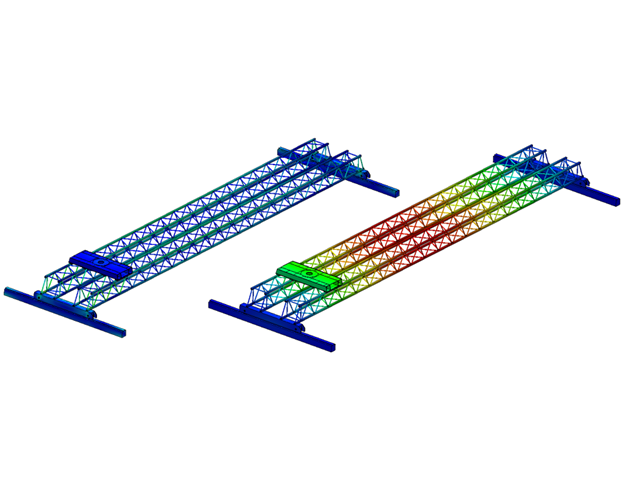
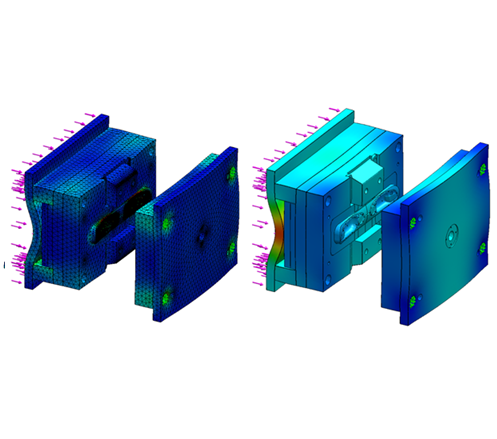
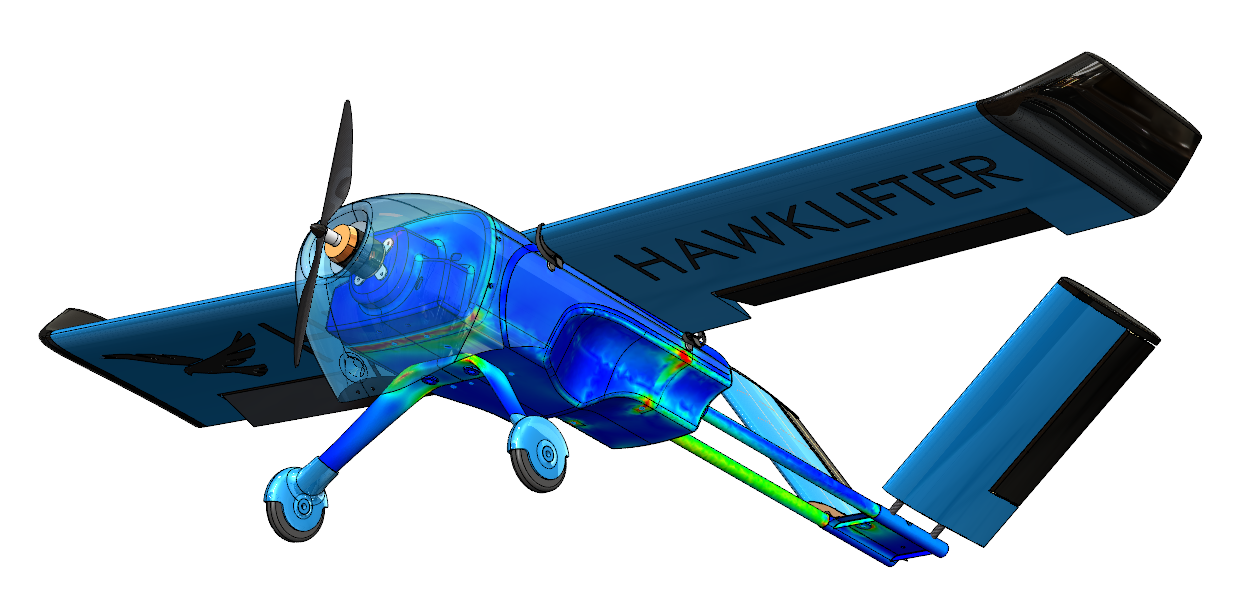
Large Assembly Analysis
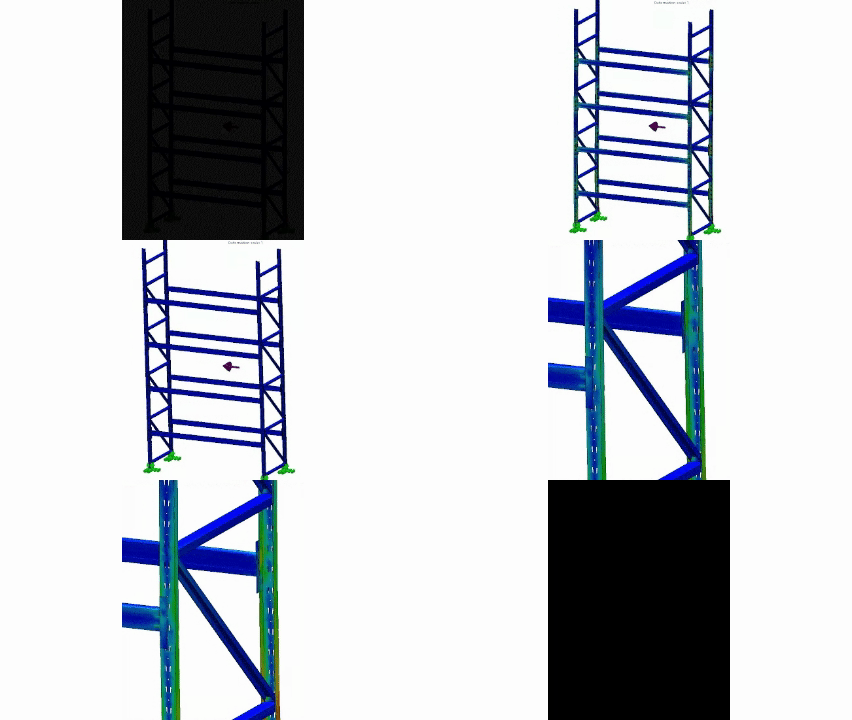
Managing complexity in multi-component systems.
- Simplification of models featuring 1,000+ components
- Virtual modeling of bolted joints, welds, and other fasteners
- Meshing techniques balancing solve time and accuracy
Nonlinear Analysis
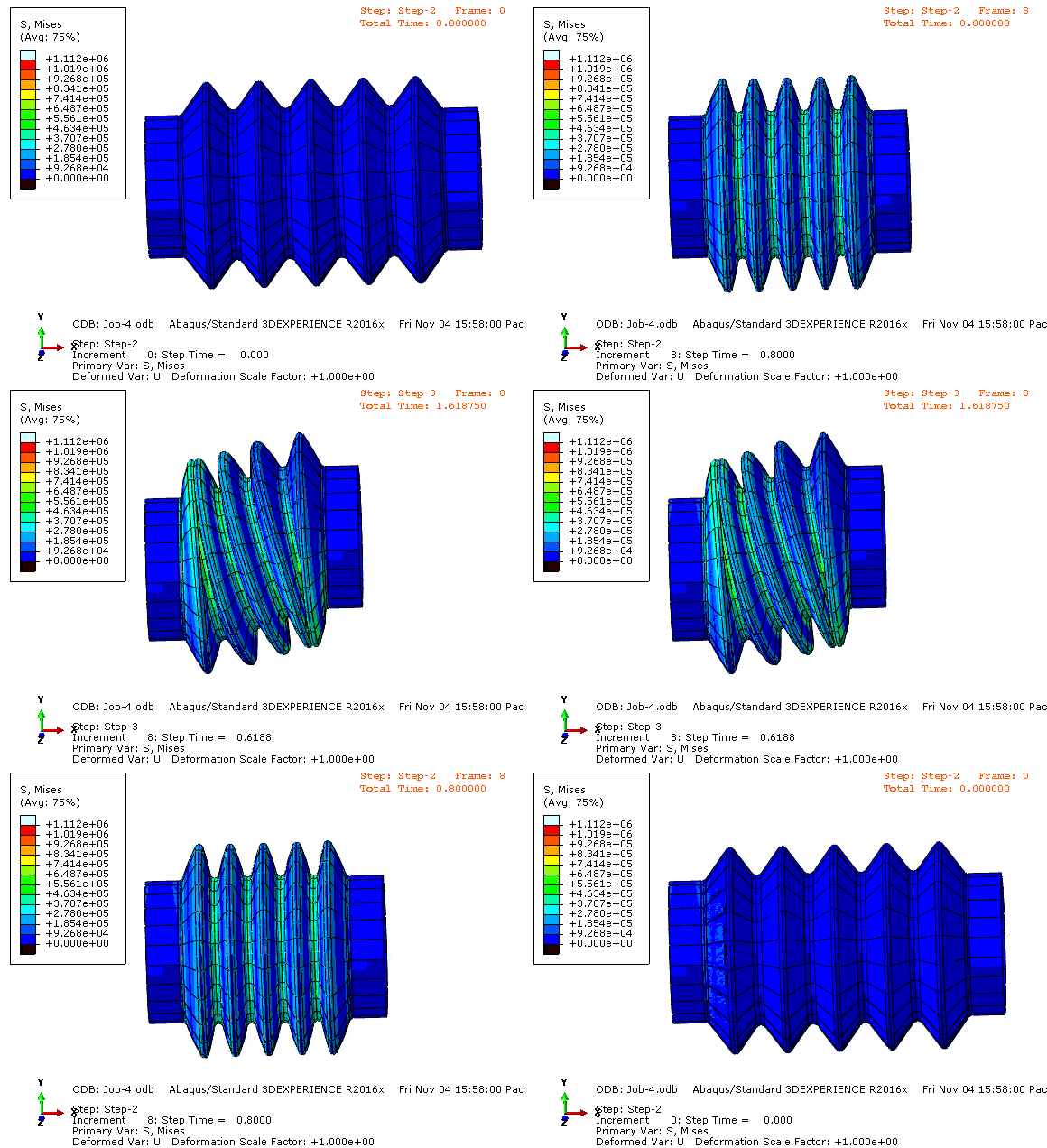
Simulating material plasticity, large deformations, and contact nonlinearity beyond linear assumptions.
- Hyperelastic material modeling for elastomers
- Post-yield behavior and permanent set studies
- Geometric nonlinearity for thin-walled buckling
Shock & Vibration
Assess dynamic survivability for standards such as MIL-STD-910.
- Natural frequency and mode shape identification
- Transient shock response and drop test simulation
- Harmonic & random vibration (PSD) analyses
- Vibration isolation and transmissibility studies
Optimization
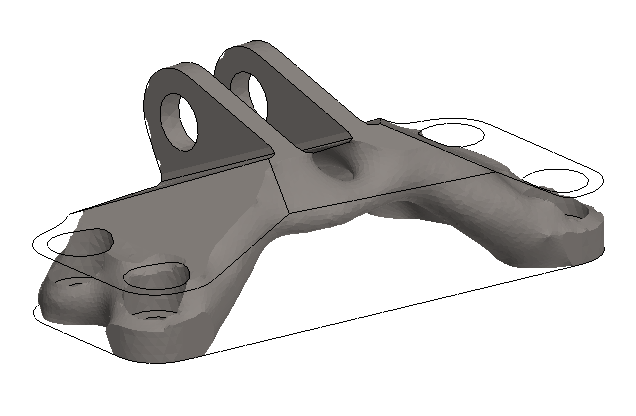
Increase part strength or reliability while reducing part cost or mass.
- Topology optimization for additive manufacturing
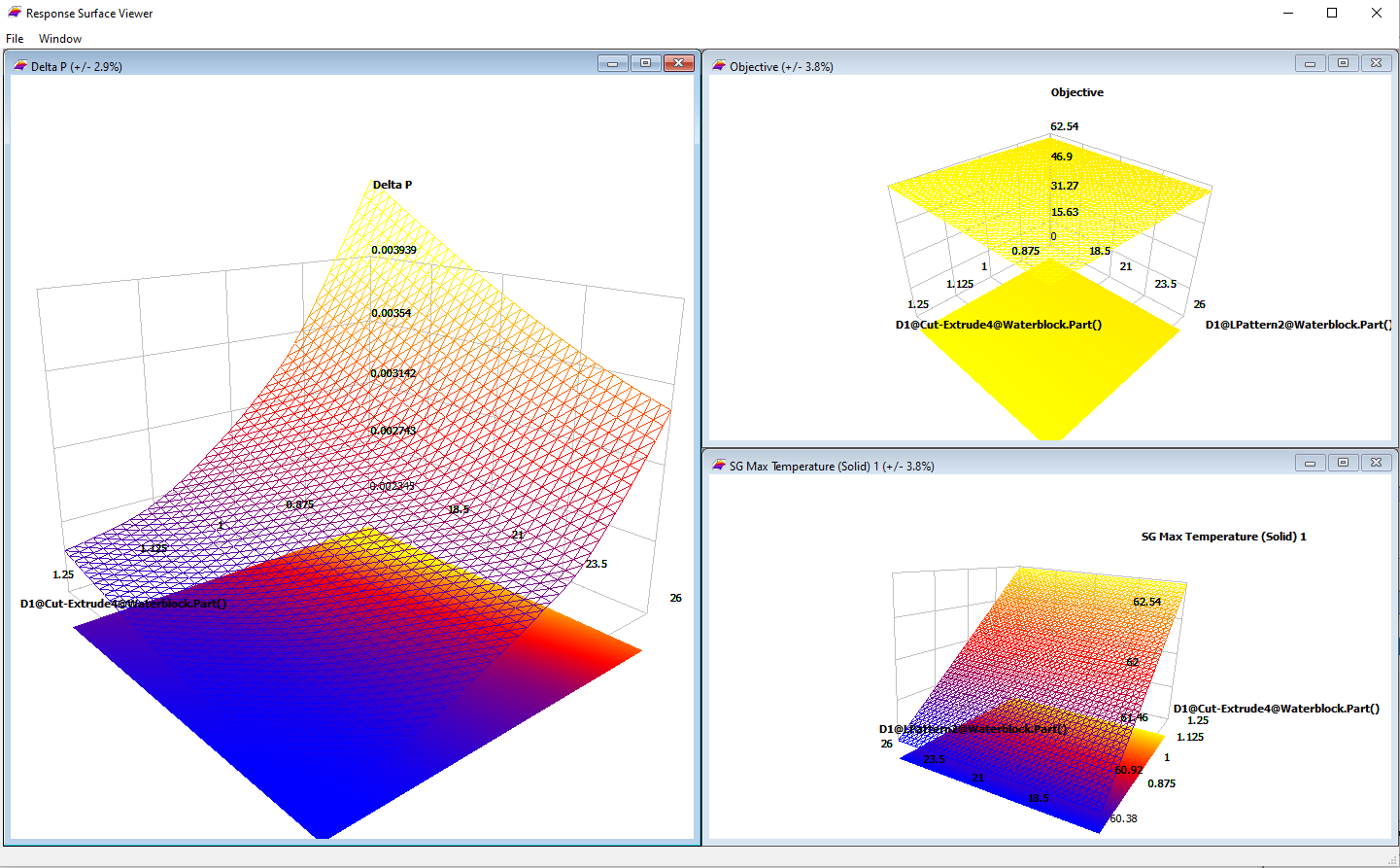
- Parametric optimization
- Design of Experiments (DoE) and sensitivity analysis
Verification & Validation
Ensuring accurate results.
- Correlation studies with physical experiments
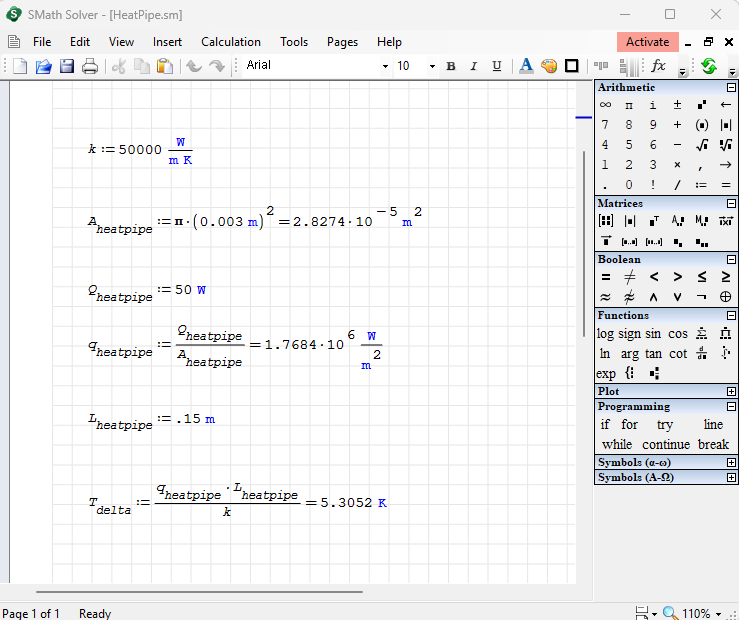
- Analytical hand-calculations
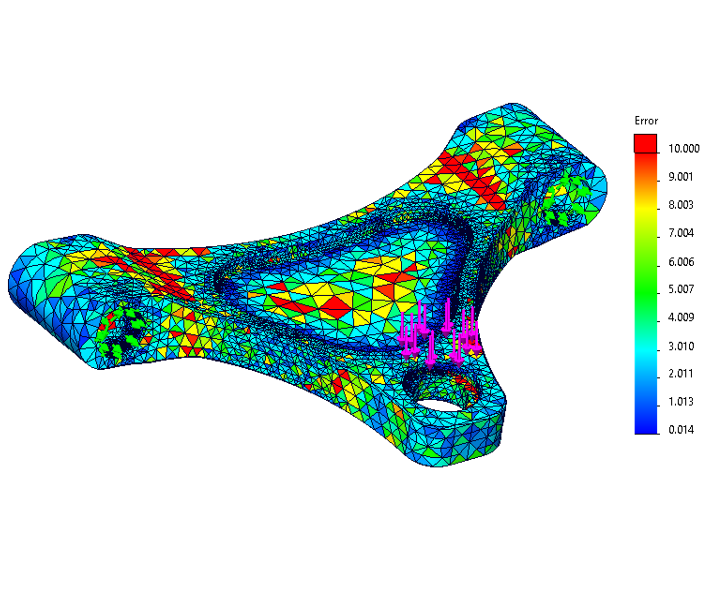
- Error estimation & mesh-convergence studies
Additional Capabilities
- Fatigue & Endurance
- Thermal & Thermal Stress / Expansion
- Fluid-structure Interaction (FSI)
- Composites Analysis
- Material Modeling & Calibration
- Custom Scripting & User-defined Functions
- Physical Testing & Instrumentation
- Multiphysics Simulation
Background & Methodology
Over the course of 10+ years, I've utilized finite element analysis to assess the performance of parts, products, and assemblies from hundreds of customers and clients- guiding them through the entire process from forming an analysis plan, preparing CAD models and other geometry, solving, reporting, and interpreting results.
I work closely with stakeholders to ensure that every simulation provides actionable data focused on their needs by verifying that we are solving the correct problem in a level of fidelity appropriate for the current phase of their product development cycle.
If you'd like to learn more about my capabilities or professional experience, or would like to review a sample analysis report, please reach out.
Software Used
SOLIDWORKS Simulation
ANSYS Mechanical
Abaqus/CAE
SimScale
Python (NumPy/SciPy)