Computational Fluid Dynamics (CFD)
Introduction
Computational Fluid Dynamics (FEA) is a technique allowing virtual prediction of the fluid flow and thermal behaviors of a design.
The examples presented below represent a non-exhaustive list of simulations I've created for public-facing content or publications. For additional information on commercial projects I've worked on, please contact me directly.
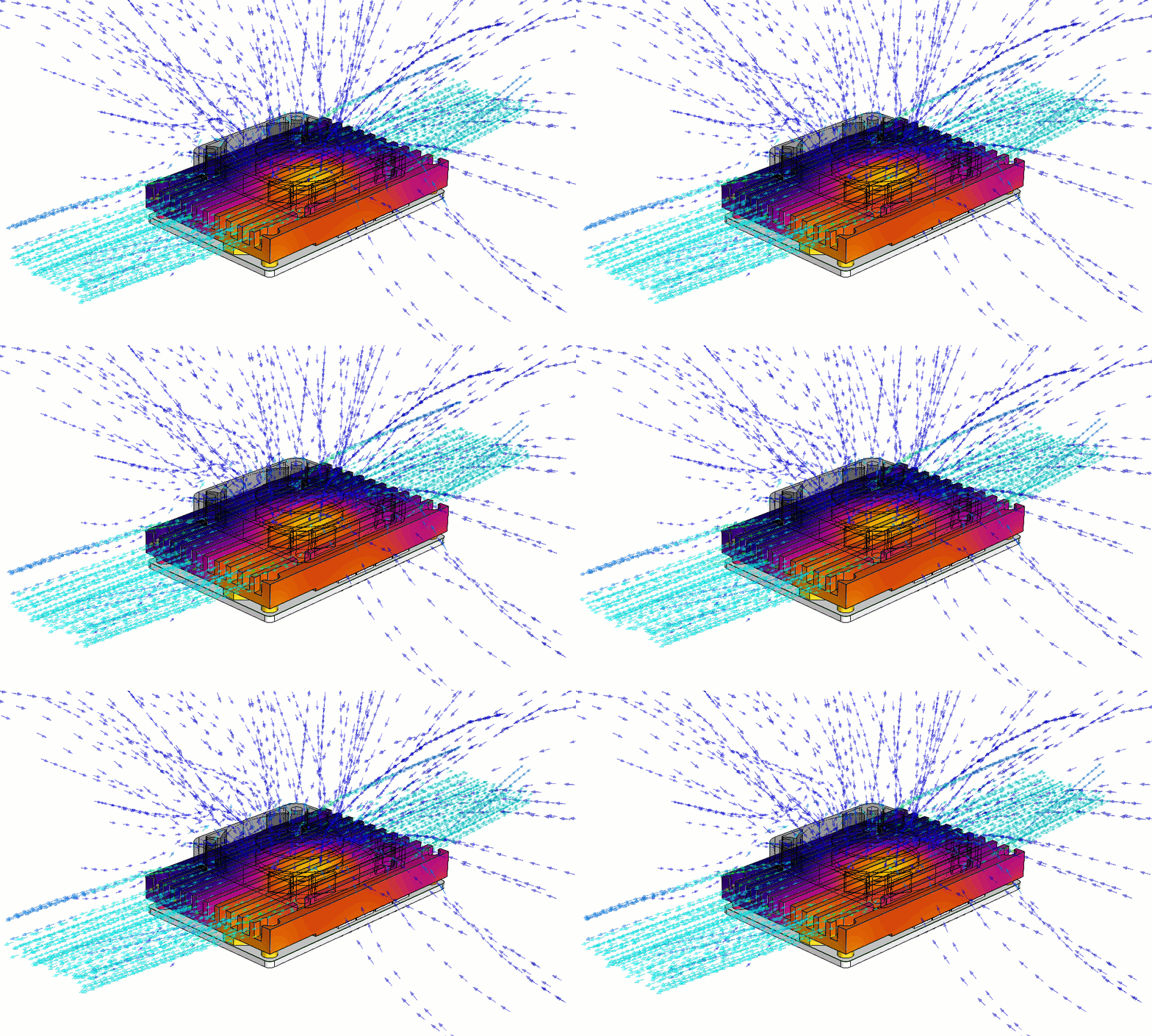
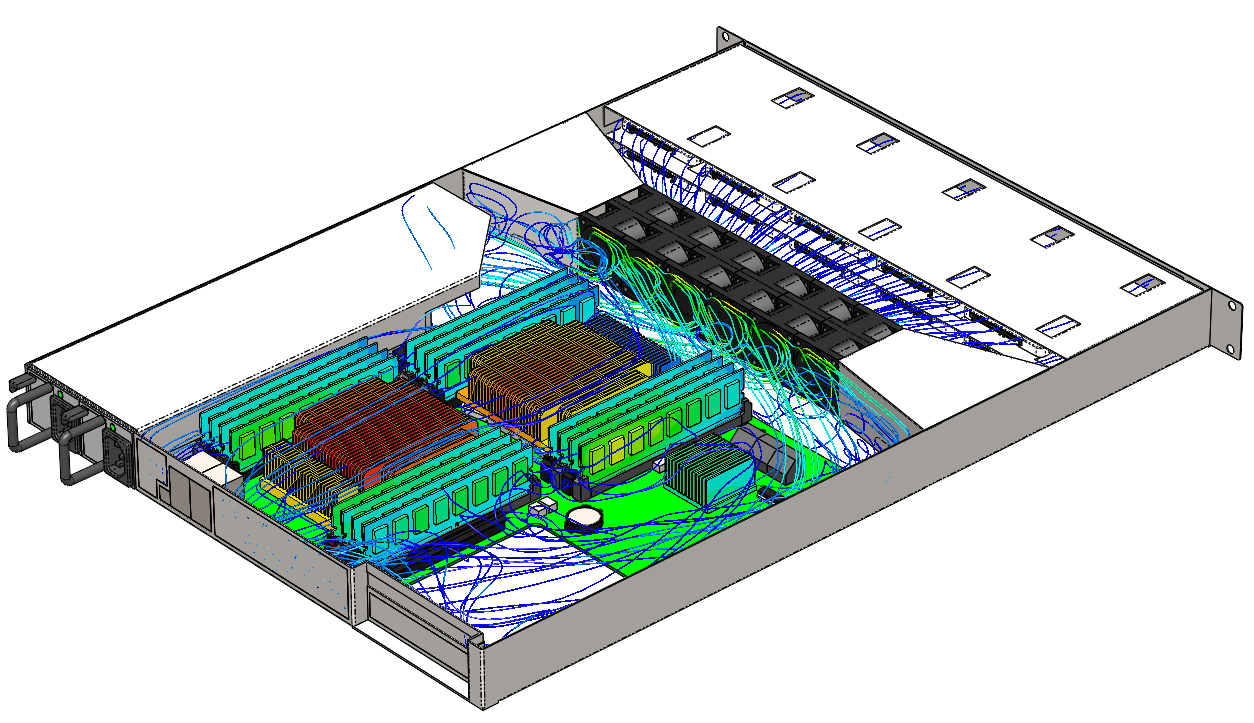
Thermal Analysis & Electronics Cooling
Optimizing the thermal performance of air and liquid-cooled electronics and other devices, including EVs and alternative energy products up to 10+ Megawatts.
- Passive and actively-cooled devices
- Large assemblies (5,000+ component)
- Heatsink, waterblock, and fan placement optimization
- Component specification & sourcing
- Thermal radiation & solar loadings
- Compliance with MIL-STD-910 thermal requirements
Lift & Drag Prediction
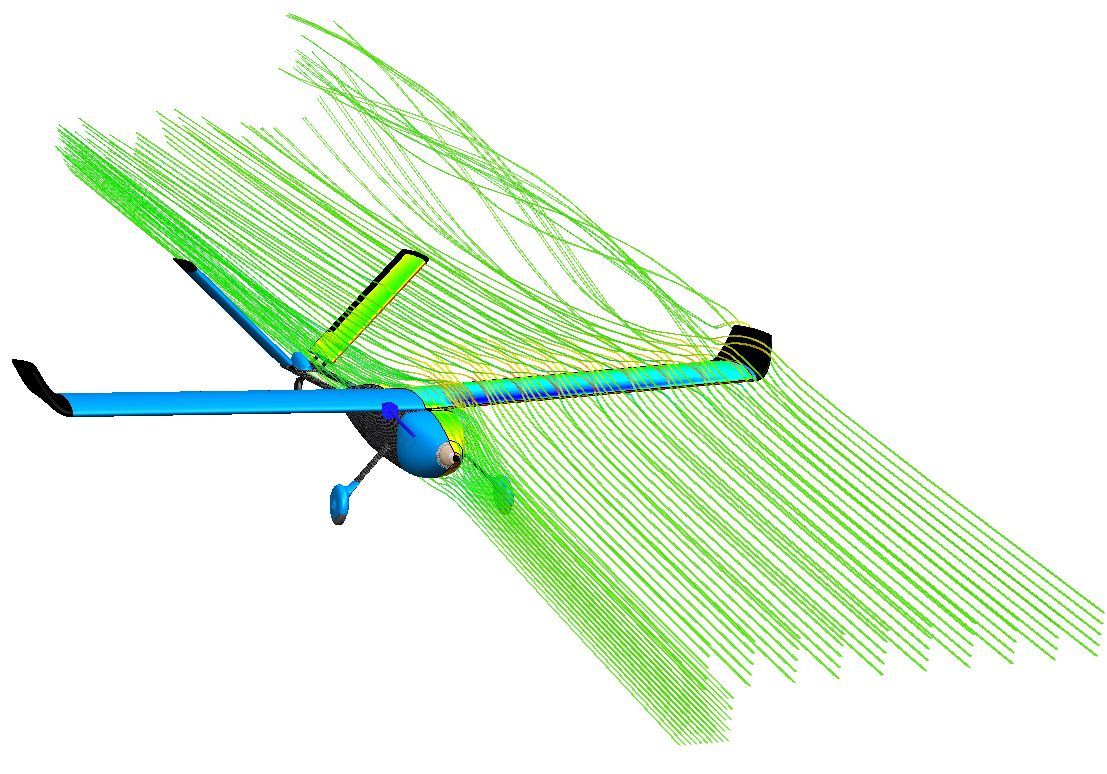
Simulating external aerodynamics and hydrodynamics to assess the performance of vehicles or the forces acting on static structures.
- Simulation of automobiles, motorcycles, drones, and submersible UUVs
- Estimation of lift & drag polars
- Prediction of aerodynamic or hydrodynamic stability
- Calculation of Drag coefficient (Cd) and Effective Projected Area (EPA)
- Wind load estimation on static structures
Rotating Machinery
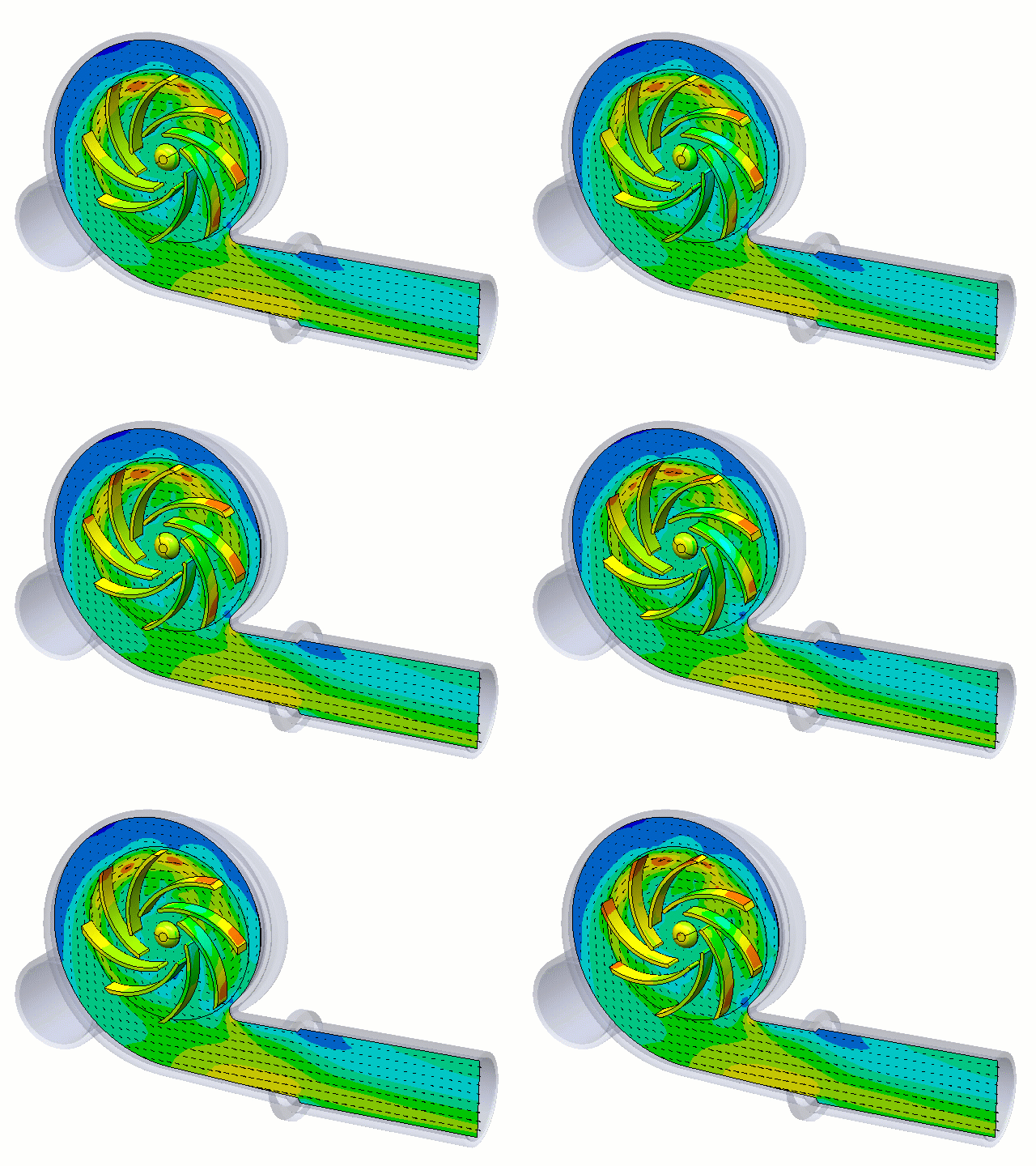
Optimizing pumps, fans, propellers, and turbines using advanced techniques to calculate flow rates, pressure heads, and efficiency.
- Pump curve characterization (Head vs Flow Rate, Efficiency)
- Cavitation and acoustic prediction +
- Multi-stage pumps and compressors
- Moving Reference Frame (MRF), Sliding Mesh, and 6DOF
- Steam turbines and Real Gas models
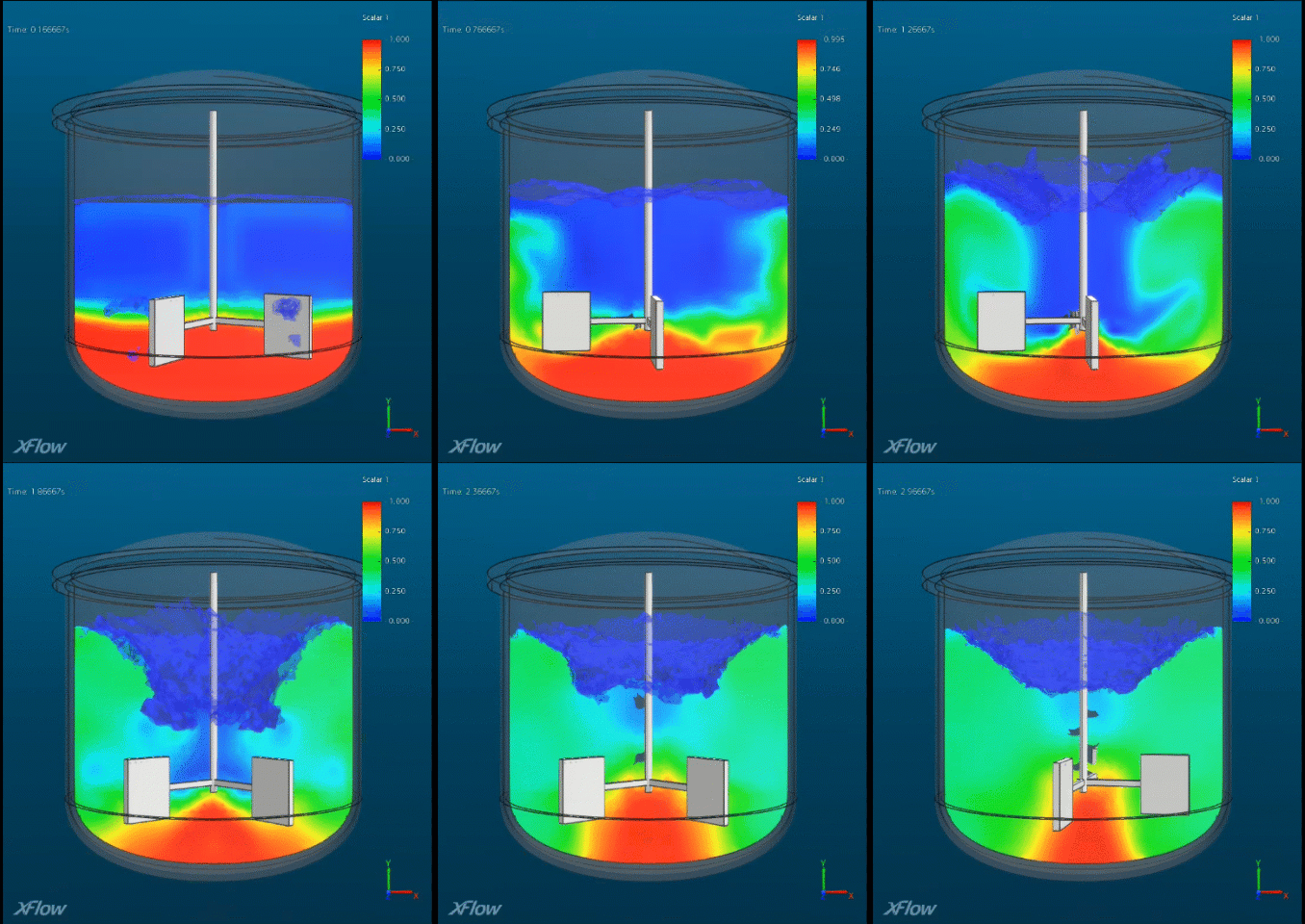
Open Channel Flows
Simulating free-surface flows where liquid interacts with a gas phase, utilizing methods such as Volume of Fluids (VoF)
- Spillway, weir, and dam flow prediction
- Partially-filled pipe flow
- Boat hull resistance calculation for small and large craft
- Tank sloshing and baffle effectiveness
- Hydraulic jump and energy dissipation
- Immiscible mixtures with two or more liquids (e.g. water & oil)
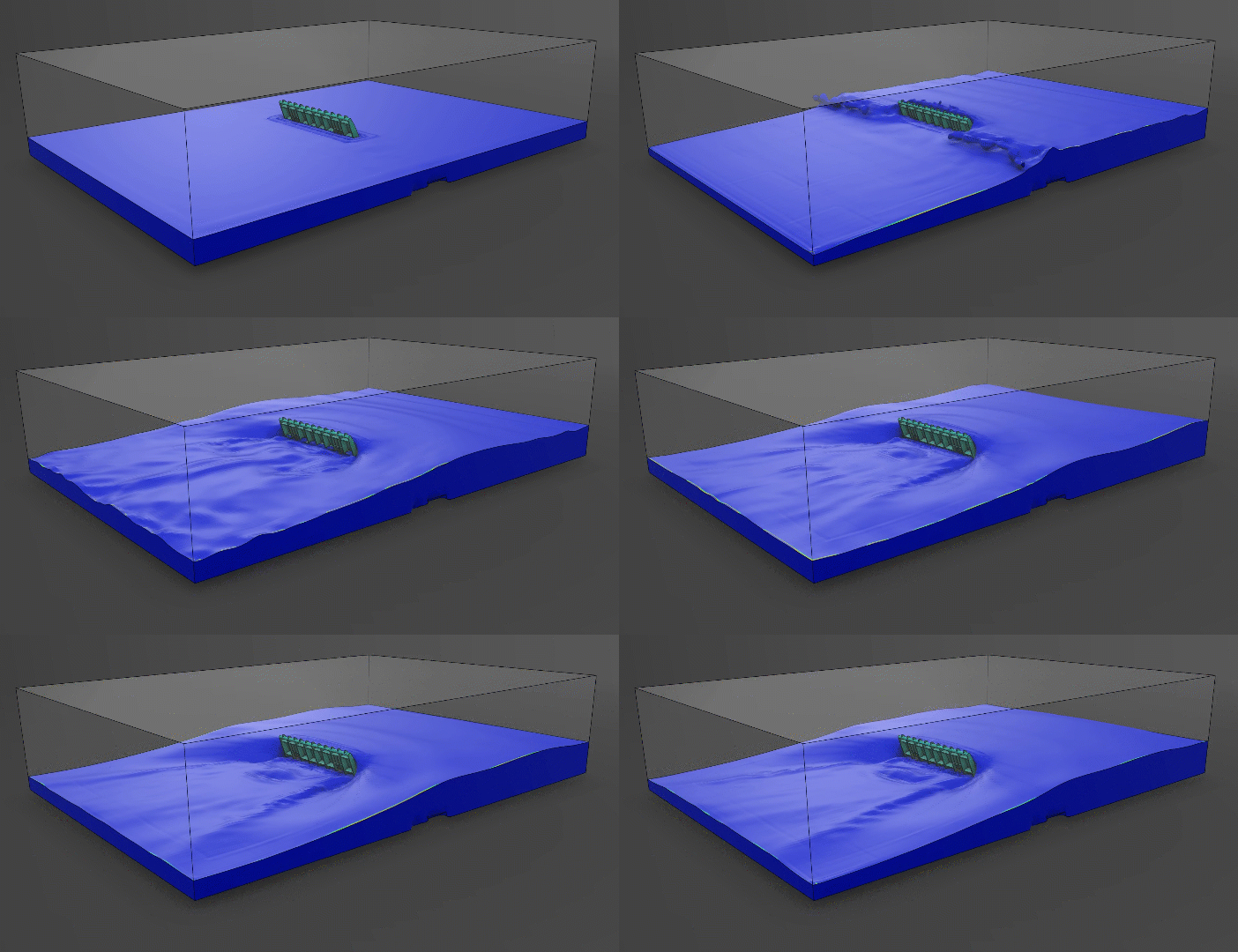
Multi-Fluid Mixing Problems
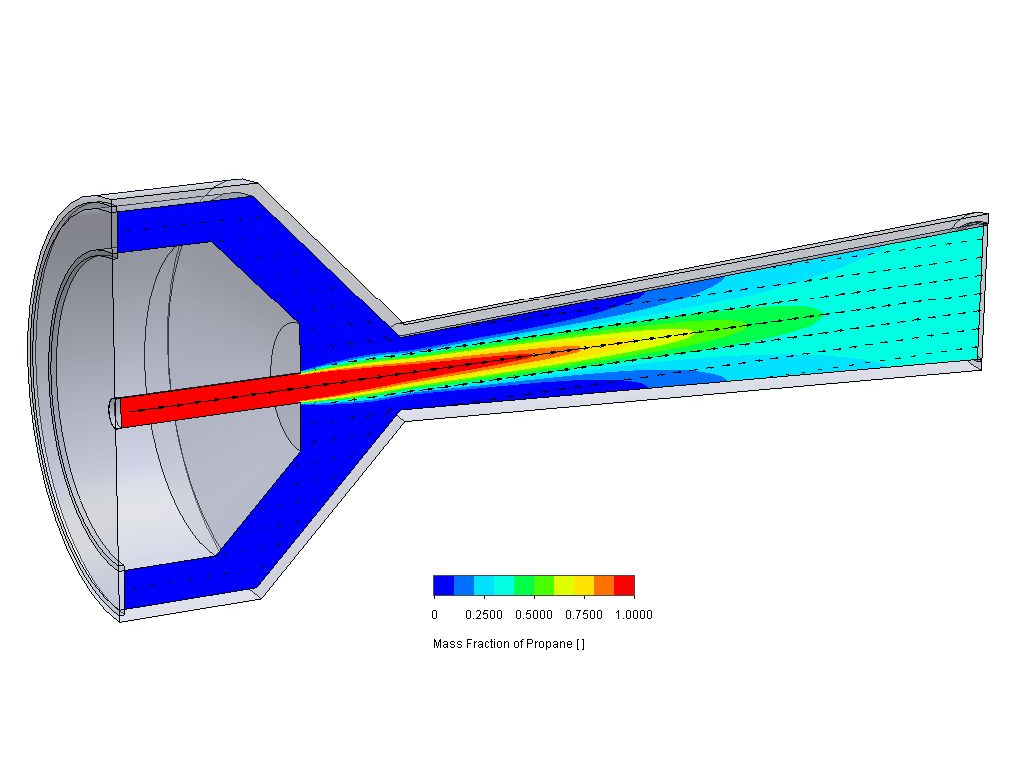
Analyzing the mixing efficiency of different fluids, species transport, and concentration distribution.
- Static mixer design and optimization
- Species transport and pollutant dispersion
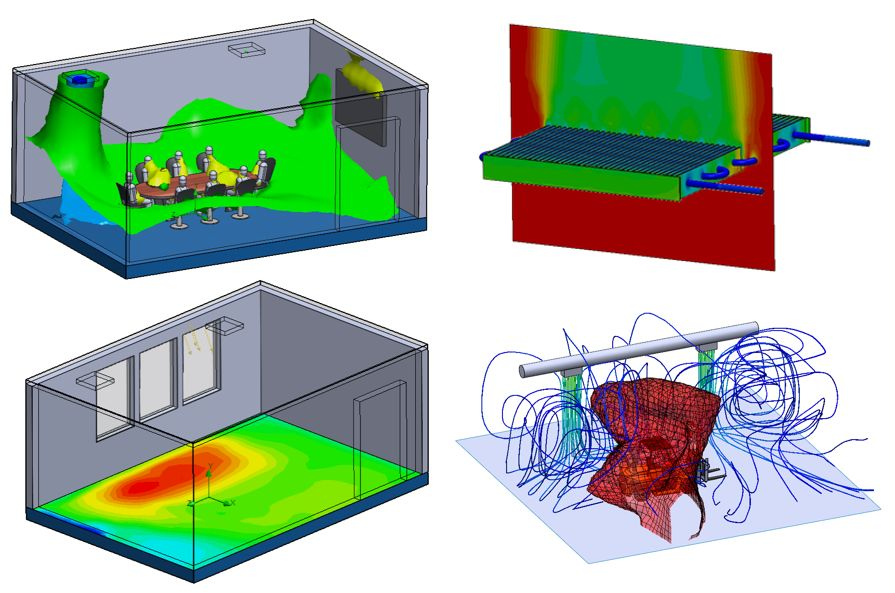
- HVAC air quality and circulation analysis
- Residence time distribution studies
Particle Studies
Simulating discrete phase interactions to predict erosion, accumulation, and separation efficiency.
- Erosion rate prediction on pipe bends and valves
- Dust accretion and surface fouling analysis
- Cyclone separator and filter efficiency
- Lagrangian particle tracking (DPM)
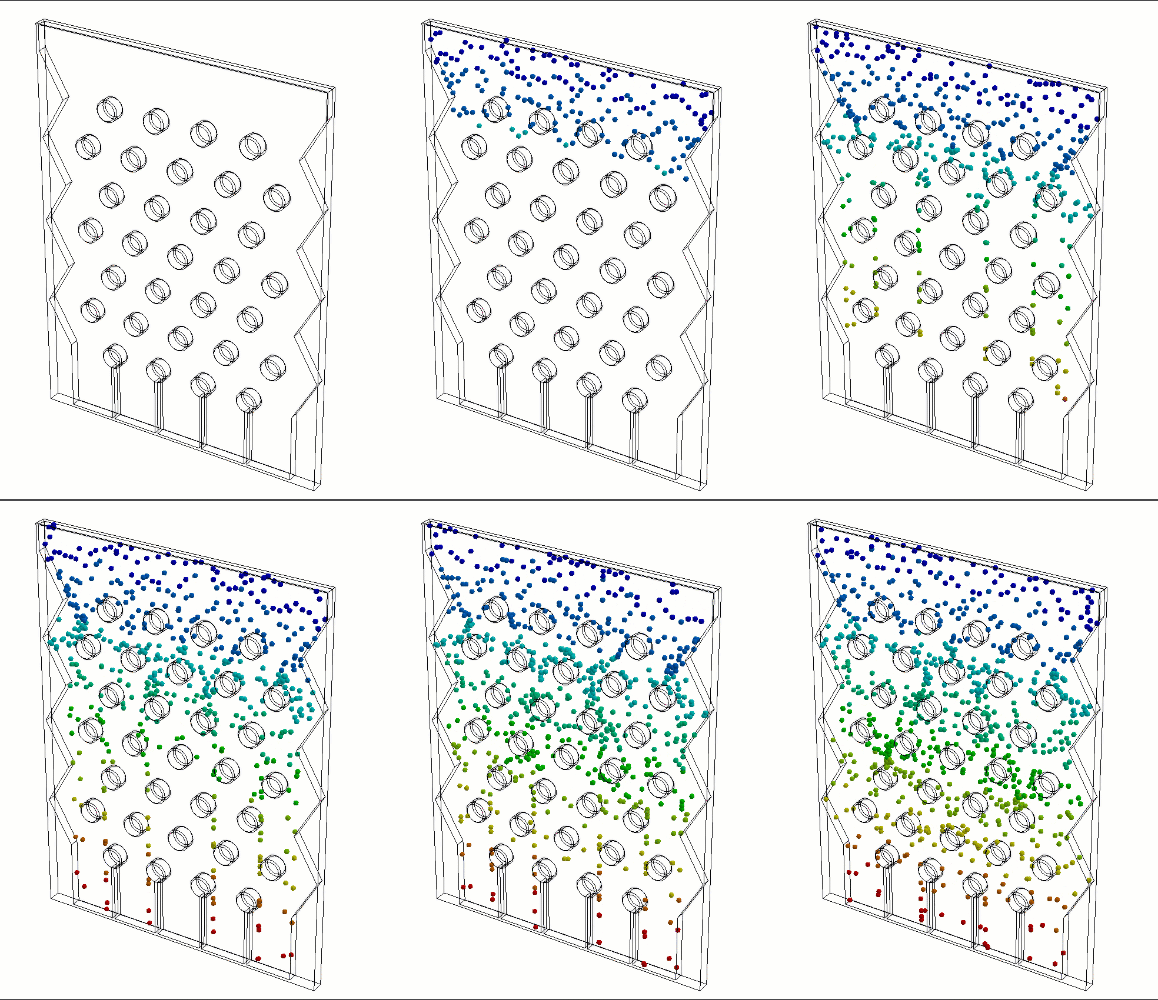
Transient & Unsteady Flows
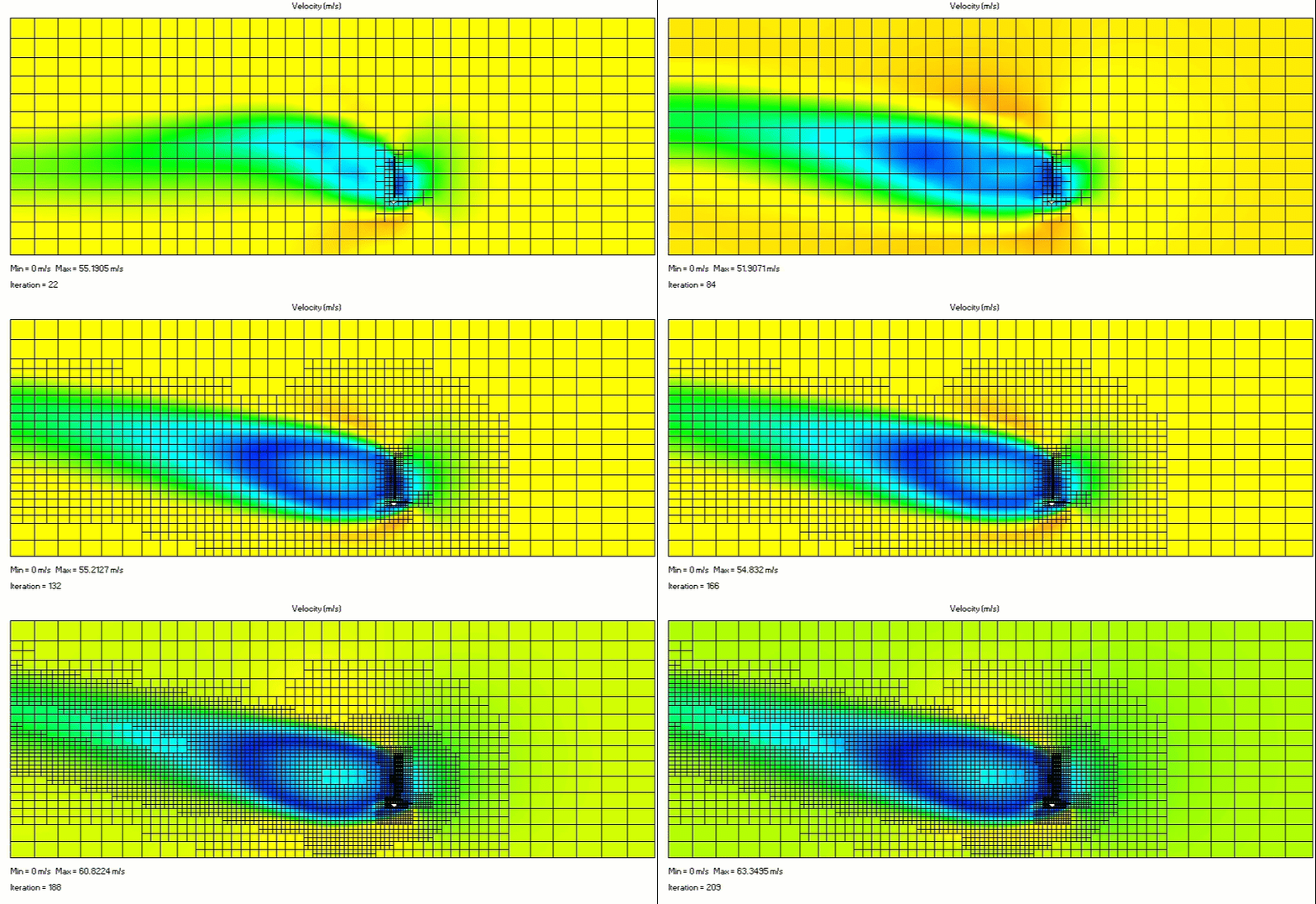
Capturing time-dependent phenomena such as vortex shedding and flow-induced vibration that steady-state approximations miss.
- Vortex shedding frequency (Strouhal number) analysis
- Pulsatile flow in biomedical or hydraulic systems
- Tank filling, draining, and startup sequences
- Water hammer and surge pressure prediction
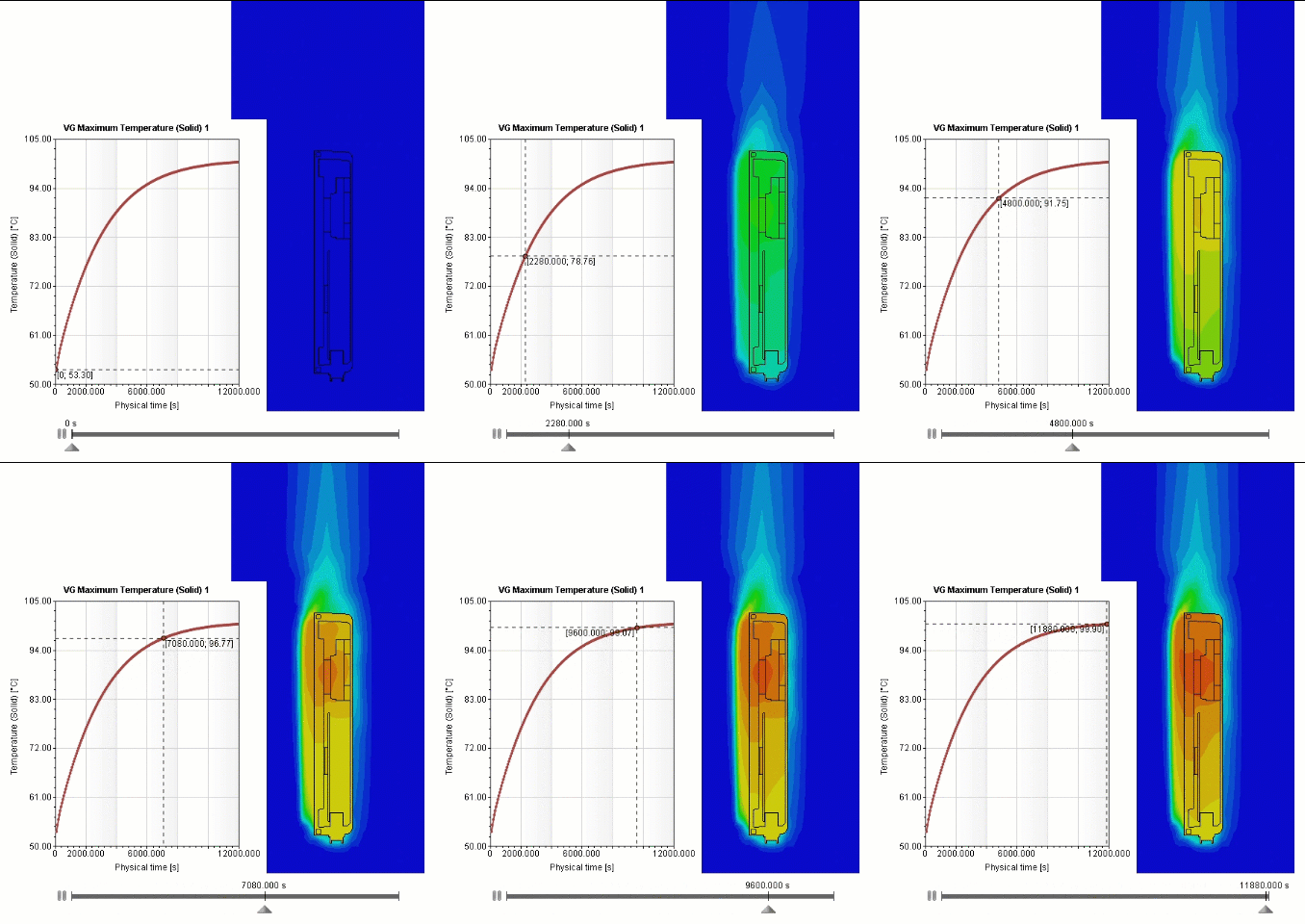
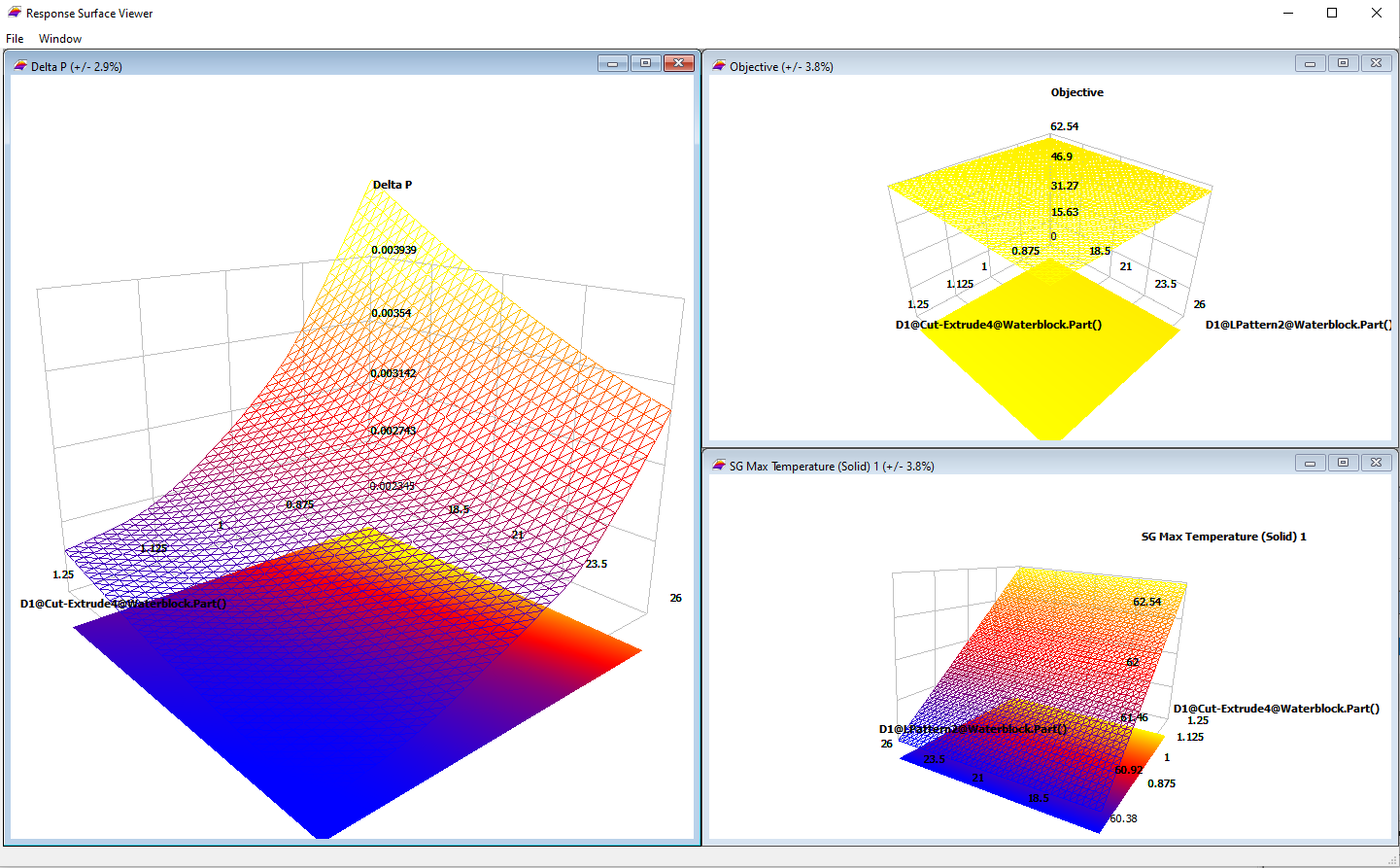
Design Optimization
Using parametric studies to automatically iterate geometry and achieve optimal flow characteristics.
- Manifold balancing for equal flow distribution
- Valve flow coefficient (Cv) maximization
- Pressure drop minimization in ducting
- Goal-driven optimization studies
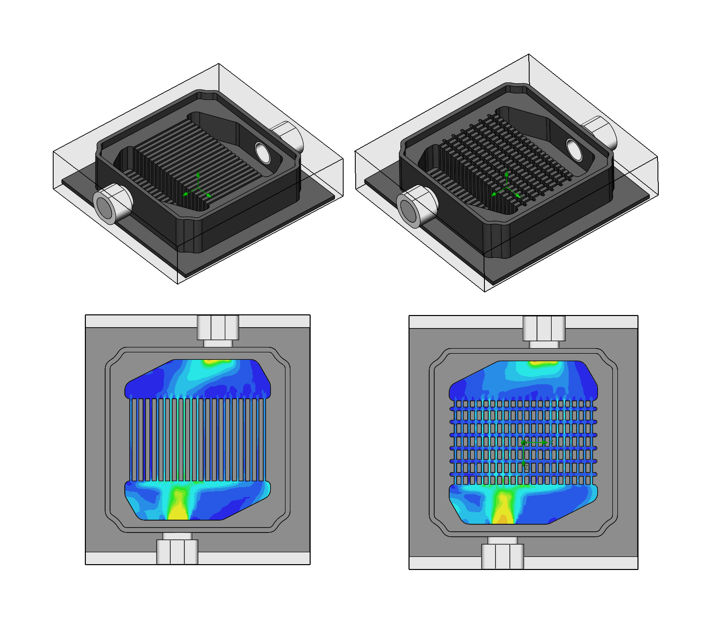
Verification & Validation
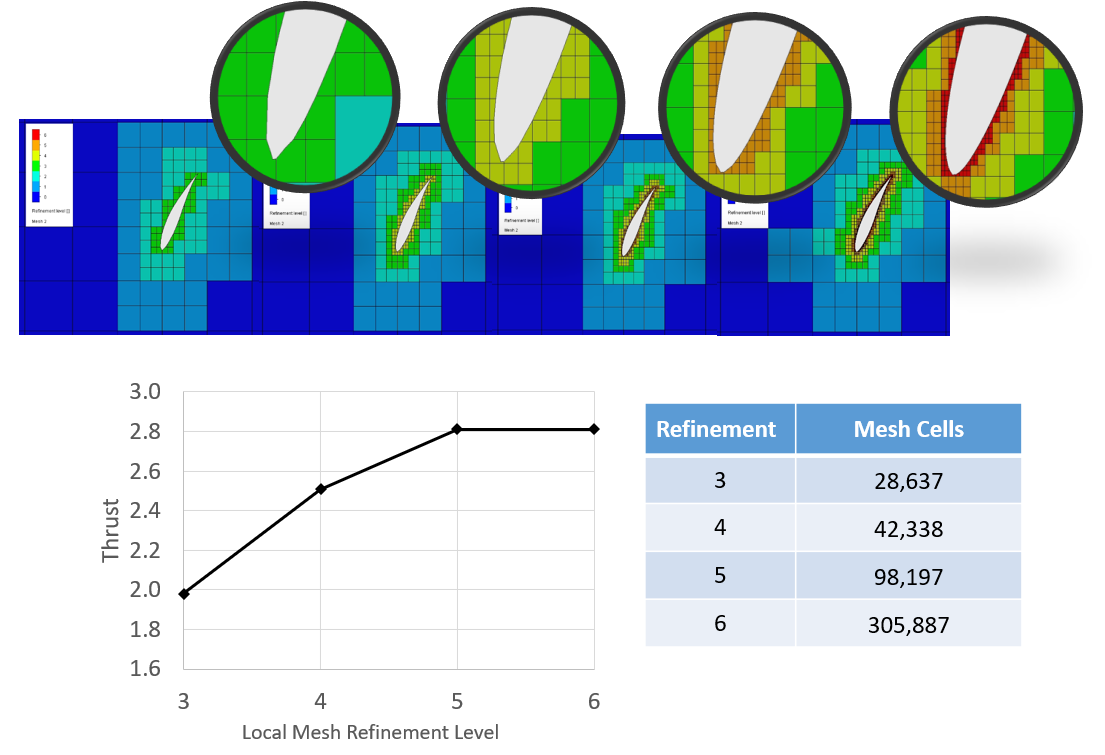
Ensuring solution reliability through rigorous mesh independence studies and comparison with analytical or experimental data.
- Grid Convergence Index (GCI) calculations
- Y+ wall spacing validation for turbulence models
- Residual monitoring and mass balance checks
- Correlation with wind tunnel or flow bench data
Plastics Moldflow Analysis
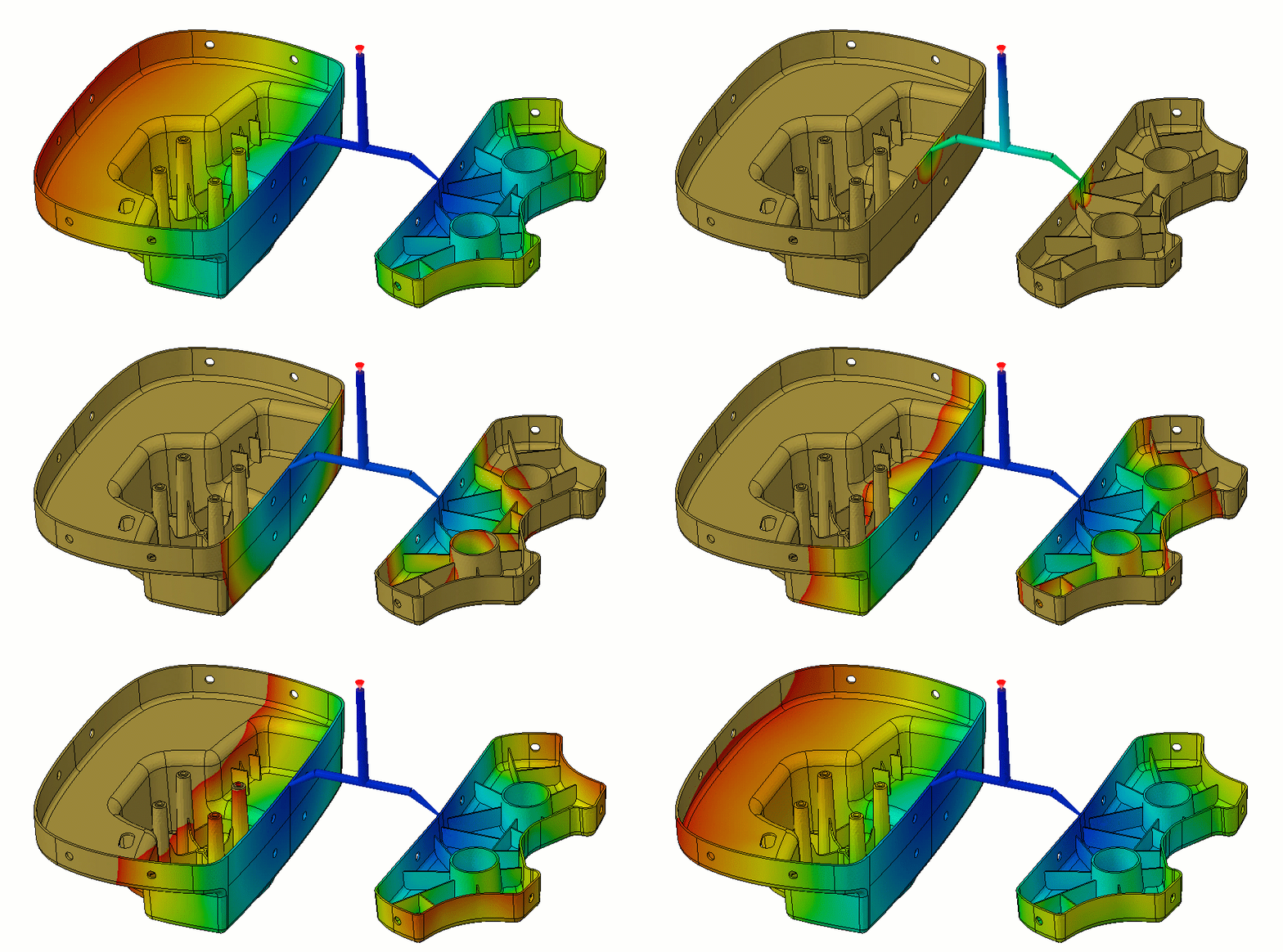
Simulating the injection molding process to predict manufacturing defects, optimize cycle times, and validate tool design.
- Fill time, pressure drop, and temperature distribution
- Sink mark, air trap, and weld line prediction
- Warpage and shrinkage analysis
- Fiber orientation in reinforced composites
Additional Capabilities
- Compressible Flow (High Mach)
- Non-Newtonian Fluids
- Multiphase Flow (VOF, Eulerian)
- Moving Mesh & Overset Grid
- HVAC & Comfort Parameters
- Acoustic / Noise Prediction (dB, FFT)
- Humidity & Condensation
- Cavitation Prediction
Analysis Methodology
Over the course of 10+ years, I've utilized computational fluid dynamics to assess the performance of parts, products, and assemblies from hundreds of customers and clients- guiding them through the entire process from forming an analysis plan, preparing CAD models and other geometry, solving, reporting, and interpreting results.
I work closely with stakeholders to ensure that every simulation provides actionable data focused on their needs by verifying that we are solving the correct problem in a level of fidelity appropriate for the current phase of their product development cycle.
If you'd like to learn more about my capabilities or professional experience, or would like to review a sample analysis report, please reach out.
Software Used
SOLIDWORKS Flow Simulation
ANSYS Fluent
SimScale
SIMULIA XFlow
OpenFOAM
ParaView
SIMULIA Fluid Dynamics Engineer
SOLIDWORKS Plastics
Python (NumPy/Pandas)